 EN
 Ελληνικά
 Deutsch
 Italiano
 Español
 Français
 Nederlands
 Polski
 Português
 Čeština
 Svenska
 Dansk
 Türkçe
 Română
Why Loading Dock Accuracy Matters
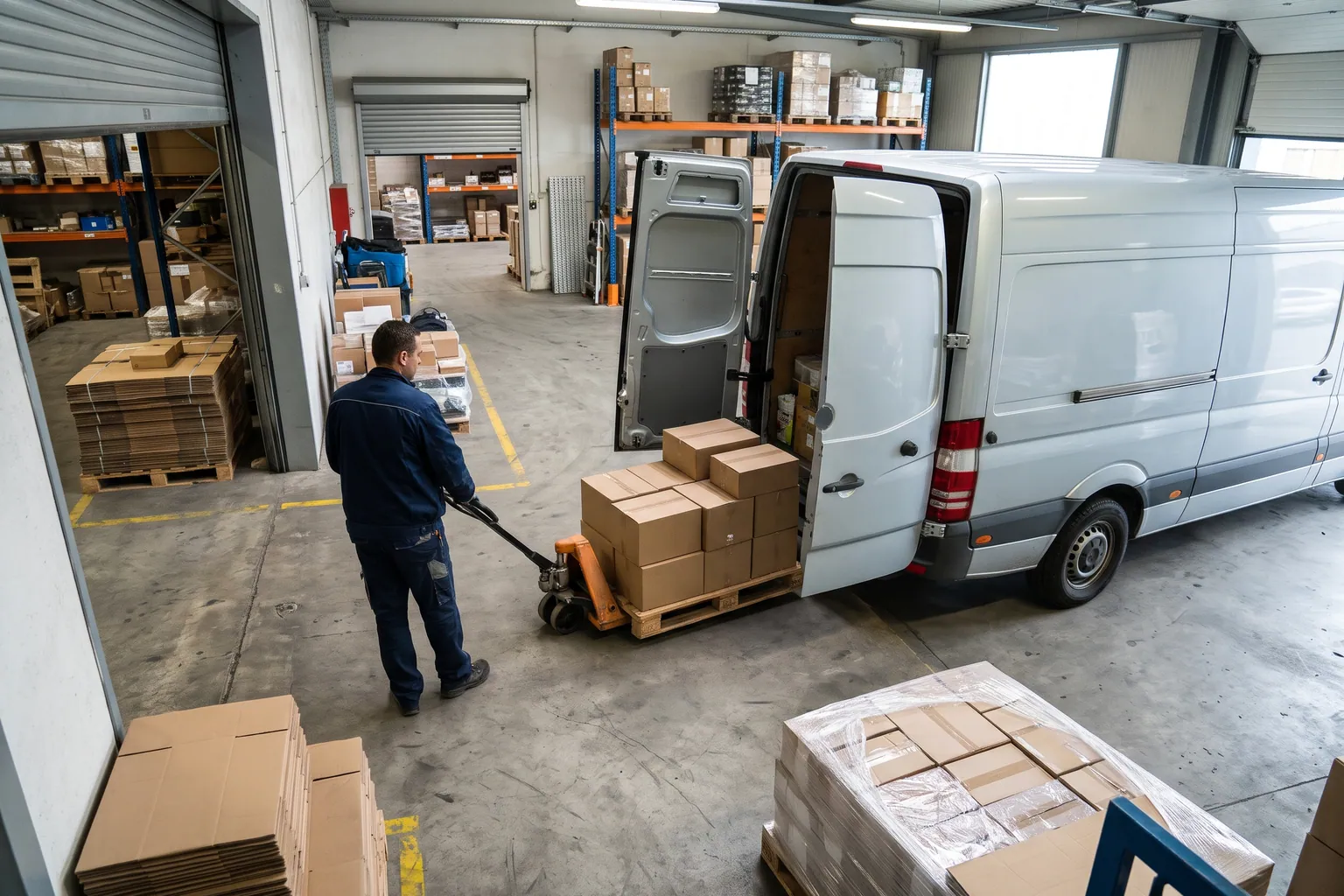
Accurate loading dock checks are at the heart of smooth warehouse operations. When goods leave the premises, any mismatch between what’s shipped and what’s recorded can lead to stock discrepancies, unhappy customers, and costly investigations. Often, these mismatches are down to honest mistakes—such as confusion with paperwork or rushed shifts. By focusing on the loading dock, you can catch issues early and maintain trust with both suppliers and clients.
A common pattern is items being loaded in a hurry, especially during busy periods. Staff may unintentionally skip steps or misread paperwork, leading to items missing from shipments or extras being sent out. While these errors aren’t always frequent, their impact can be significant, both in terms of lost goods and administrative time spent resolving them.
Beyond inventory loss, inaccuracies at the loading dock can affect your business’s reputation. Clients rely on correct deliveries, and repeated errors may cause them to question your reliability. Ensuring every item matches the paperwork not only protects your stock but also supports lasting business relationships.
Regular checks and clear processes are key. It’s not about policing staff but about building routines that make accuracy second nature. With the right approach, you can reduce errors and make audits much simpler.
Simple Routines for Reliable Checks
Establishing straightforward routines at your loading dock can dramatically reduce mismatches. Start by making sure every shipment is accompanied by clear, legible paperwork. Assign a team member to verify that what’s being loaded matches the pick list or dispatch note, item by item. This can be as simple as a visual check, ticking off each item as it’s loaded.
Encourage staff to take their time during busy periods, even when there’s pressure to move quickly. Rushed checks are a common cause of mistakes. Consider setting up a checklist that’s easy to follow and requires two people to sign off—one who loads, and one who verifies. This not only adds accountability but helps catch errors before the vehicle leaves.
Regularly review your process to identify any recurring issues. For example, are certain products more likely to be missed? Does confusion arise from similar packaging? Adjust your routine to address these weak points, and involve staff in finding practical solutions—they often know where mistakes are most likely to happen.
Finally, keep records of each check. This helps if questions arise later and provides a basis for ongoing improvement. Simple routines, consistently applied, are your best defence against loading dock errors.
What to Look for in POS and Dispatch Reports
To ensure accuracy, it’s important to regularly review your POS and dispatch reports. Look for discrepancies between what’s recorded as shipped and what’s actually left the warehouse. This could be a difference in item count, missing items, or even extra items not listed on the paperwork.
A common pattern is repeated discrepancies for the same product or during the same shift. These patterns can point to where your process might need tightening or where additional training could help. Keep an eye on voided shipments, last-minute changes, or manual adjustments—these are often where mistakes slip through.
Use your POS system’s reporting features to flag anomalies. For example, if a report shows more items shipped than received by the customer, or if there are frequent corrections after loading, investigate these further. Regularly scheduled reviews—weekly or after each large shipment—help keep things under control.
Make sure all documentation is easy to read and stored securely. Clear paperwork reduces confusion and makes it easier to resolve any issues quickly. Encourage your team to report any uncertainty rather than making assumptions during busy loading periods.
Using Existing Cameras for Loading Dock Verification
Many warehouses already have cameras installed at loading docks, but these are often underused for process verification. By turning these cameras into AI agents, you can compare what actually leaves the dock with the corresponding paperwork or POS transaction. This provides an extra layer of assurance, especially during peak periods.
Vigilessa.ai offers a GDPR-first approach, using your existing cameras to check for mismatches between what’s loaded and what’s recorded. When a difference is detected, the system sends an alert with a short clip and the relevant paperwork, making it easy to review what happened. Staff are always informed, and footage is kept only as long as necessary.
This approach isn’t about catching people out—most mismatches are honest mistakes. Instead, it provides a practical tool to help your team resolve issues quickly and learn from them. Because Vigilessa.ai is software-only, there’s no need for new cameras or complex hardware installations.
To see how this works in your own environment, you can request a demo using your existing recordings. This helps you understand how the system fits into your routines and supports your staff in maintaining high standards.
Supporting GDPR-First Compliance at the Loading Dock
When using video to support loading dock checks, it’s essential to follow GDPR and respect staff privacy. Vigilessa.ai is designed with a GDPR-first mindset: staff are always informed about camera use, access to footage is strictly limited, and video is kept only as long as needed for verification.
Businesses across Europe must also consider local data protection rules, which can vary by country. It’s wise to check with your national data protection authority before making changes to your video monitoring practices. Clear, accessible policies help build trust with your team and demonstrate your commitment to compliance.
Make sure your staff understand why cameras are used and how footage is handled. Transparency reduces concerns and encourages cooperation. Vigilessa.ai’s approach is not covert; it’s about supporting honest work and resolving issues fairly.
You can learn more about GDPR and video monitoring in warehouses by visiting our gdpr and policy pages. Always keep your documentation up to date and involve your team in discussions about any new processes.
Start with a Practical Review of Your Loading Dock
Begin by walking through your current loading dock process step by step. Talk to your team about where errors are most likely to happen and review recent discrepancies in your dispatch records. Simple changes—like clearer checklists or two-person sign-off—can make a big difference.
Consider how your existing cameras could support these checks. If you’re interested in using AI to compare what leaves the warehouse with the paperwork, Vigilessa.ai can help you see exactly how this would work with your own setup. This supports both accuracy and staff confidence.
Remember, most errors at the loading dock are honest mistakes that can be reduced with better routines and clear communication. The goal is to make the process smoother and protect both your inventory and your team’s hard work.
Ready to see how this could work for your warehouse? You can request a demo to explore Vigilessa.ai on your own recordings and take the first step towards more reliable loading dock checks.
FAQ
How can I reduce errors at my loading dock?
Focus on clear routines, use checklists, and encourage two-person verification for each shipment. Regularly review reports for discrepancies.
Do I need new cameras to use Vigilessa.ai?
No, Vigilessa.ai works with the cameras you already have, turning them into AI agents for process verification.
Is using video for dock checks GDPR compliant?
Vigilessa.ai is designed to be GDPR-first, but always check your local data protection authority for national rules and ensure staff are informed.
What if most mismatches are honest mistakes?
That’s common—Vigilessa.ai helps you spot and resolve these quickly, supporting staff and improving accuracy without covert monitoring.
See also: Retail & Supermarkets · Gas Stations · Loss Calculator
Want to know your business’s real loss figure?
Request a demo