 EN
 Ελληνικά
 Deutsch
 Italiano
 Español
 Français
 Nederlands
 Polski
 Português
 Čeština
 Svenska
 Dansk
 Türkçe
 Română

Understanding Stock Discrepancies in Pharmacies
Stock discrepancies—when the recorded inventory does not match the physical count—are a common challenge in pharmacies. These gaps often arise with over-the-counter (OTC) products, which see frequent handling and movement. Factors such as mis-scanned items, misplaced stock, and occasional customer returns can all contribute. While controlled medicines have strict protocols, OTC shelves may not always receive the same attention, making them more susceptible to unnoticed errors.
Most discrepancies are not the result of intentional actions but rather honest mistakes during busy periods. Simple errors, like scanning the wrong barcode or shelving items in the wrong spot, can quickly add up. Recognising these patterns is the first step to addressing the issue. It’s important to foster a culture where staff feel comfortable reporting and correcting mistakes, rather than fearing consequences.
Inventory mismatches can also stem from differences between what is sold at the till and what is physically handed over to customers. For example, a customer might pay for two packs of paracetamol but only receive one, or vice versa. These small errors can accumulate, impacting both stock levels and customer trust.
Addressing these issues requires not only regular stocktakes but also a focus on process improvements. By analysing where discrepancies most often occur—such as at the till, during restocking, or after busy periods—pharmacies can target their efforts more effectively. Consistent routines and well-trained staff play a crucial role in minimising these gaps.
Common Patterns and Causes in OTC Stock Issues
Over-the-counter products tend to move quickly, especially in high-traffic pharmacies. This fast pace can lead to miscounts during restocking or at the point of sale. Common patterns include mismatched receipts and actual items handed over, or confusion when similar products are stocked close together. Seasonal changes, such as cold and flu season, can also put extra pressure on staff and systems.
Another frequent cause is the return or exchange process. If items are returned but not properly logged back into the system, inventory records quickly become unreliable. Additionally, promotional offers or discounts can cause confusion at the till, especially if staff are not fully familiar with the current deals. Keeping staff updated and routines clear is essential.
It’s also worth noting that some discrepancies happen during shift changes, when communication gaps can lead to stock being left unaccounted for. For example, a part-used box might be left out or a return not processed before the next staff member takes over. Simple handover checklists can help reduce these occurrences.
Finally, misplaced stock—such as items accidentally shelved in the wrong section or behind other products—can make it appear as if items are missing. Regular shelf checks and clear labelling can help staff quickly spot and correct these mistakes, maintaining more accurate stock records.
Practical Routines for Reducing Discrepancies
Establishing a few simple routines can significantly reduce stock discrepancies. Begin with regular, scheduled stocktakes for both OTC and controlled items, even if just a quick daily check of high-turnover products. Encourage staff to double-check receipts against the products handed over, especially during busy times.
Use clear and consistent labelling on shelves to help staff quickly identify where each product belongs. This reduces the risk of misplacement and makes restocking more straightforward. Training sessions focused on common error points—like handling returns, processing discounts, and managing shift handovers—can also help.
Encourage open communication among staff about mistakes or uncertainties. Most discrepancies are honest errors, and a supportive environment makes it easier to catch and correct them early. Consider maintaining a simple logbook where staff can note any issues or unusual occurrences for review during quieter periods.
Finally, review POS reports regularly to spot patterns, such as frequent voids, discounts, or corrections. These can indicate where processes may need adjustment or further staff training. Using technology to monitor these patterns can further streamline this process, making it easier to take timely action.
How Digital Tools Can Help Spot and Prevent Issues
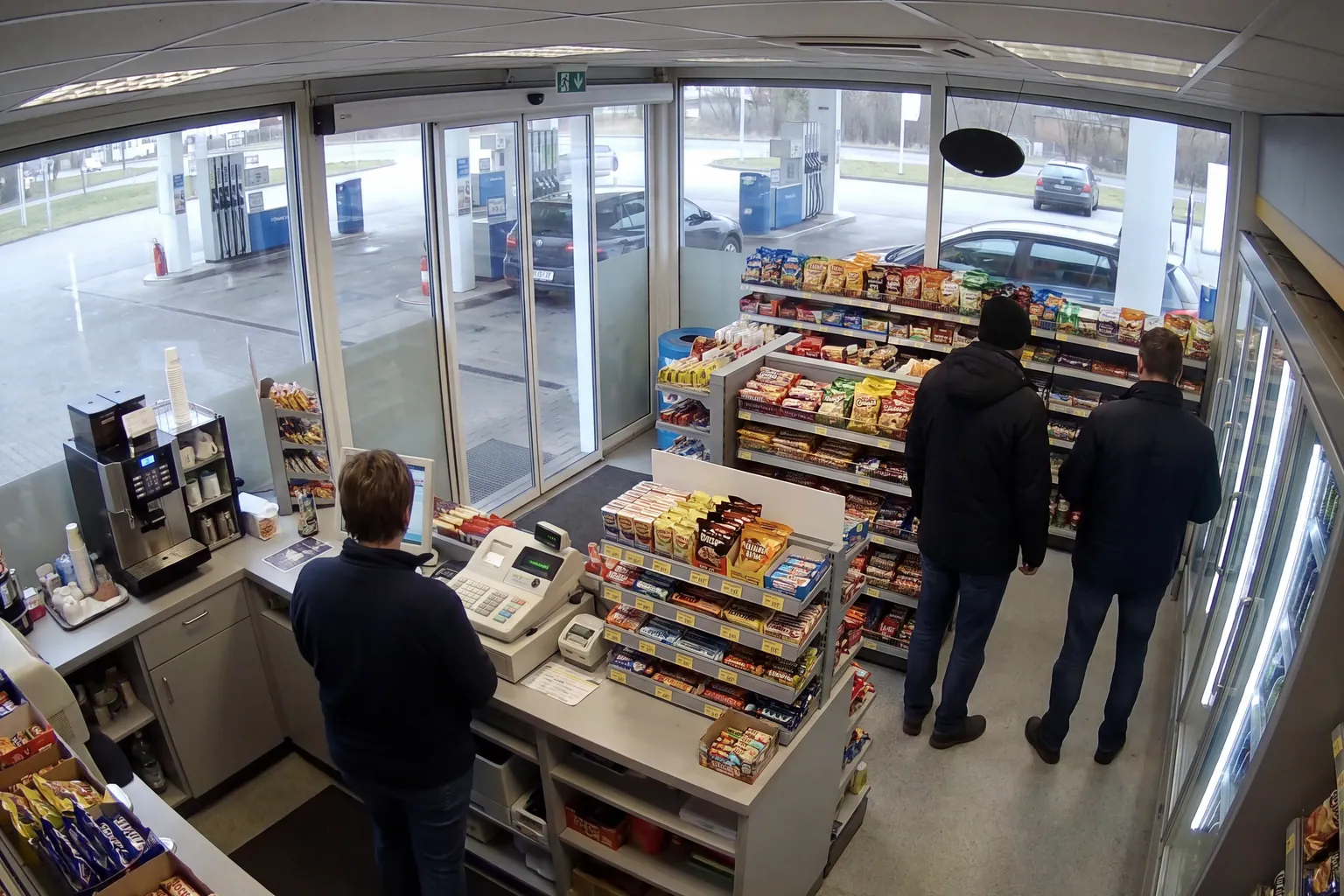
Digital solutions are increasingly valuable in managing stock discrepancies, especially when they work with your existing systems. For example, software like Vigilessa.ai turns your current security cameras into AI agents that compare what happens at the till with the POS transaction. When the items handed over do not match the receipt, a short video clip and the receipt are flagged for review.
This targeted approach means staff and managers are only alerted when there is a real mismatch, rather than sifting through hours of footage. It’s particularly useful for OTC products, where errors are more frequent and less tightly controlled than prescription medicines. Staff are informed about the process, and access to footage is strictly limited, in line with GDPR-first principles. You can read more about GDPR compliance and Vigilessa.ai’s approach in their policy.
By integrating these digital checks with regular routines, pharmacies can address discrepancies quickly and fairly. The focus remains on process improvement rather than blame, helping staff learn and adapt. Digital tools also make it easier to spot recurring issues, such as specific products or times of day when errors are more common.
For managers, having an AI assistant like Iris available on WhatsApp can be a practical aid. Iris can answer questions about recent discounts, voids, or unusual activity in a shift, making it easier to keep an eye on operations without micromanaging staff. Learn more about Iris and how it can support day-to-day pharmacy management.
Ensuring Compliance and Staff Trust
Maintaining trust with staff is essential when introducing any monitoring or digital tool. The focus should always be on supporting staff to do their jobs well, not on covert surveillance. Clear communication about how and why digital tools are used helps ensure everyone is on board.
Vigilessa.ai, for example, is GDPR-first: staff are informed, access to alerts is limited to those who need it, and footage is kept only as long as necessary. This approach aligns with EU-level data protection expectations, but managers should always check with their national data protection authority for any additional requirements. For more, see Vigilessa.ai’s faq.
It’s also important to include staff in discussions about process improvements. Ask for their input on where discrepancies are most likely to occur and what routines might help. Staff on the shop floor often have the best insights into practical challenges and solutions.
Finally, regular feedback sessions and transparent reporting help build a culture of continuous improvement. Celebrate when routines reduce discrepancies and use any alerts or findings as learning opportunities for the whole team, not as grounds for disciplinary action.
Where to Begin: Taking the First Steps
Start by reviewing your current routines for handling OTC products and controlled items. Identify where discrepancies most often occur and involve staff in brainstorming practical improvements. Regular stocktakes and clear shift handovers can make an immediate difference.
Consider how digital tools could support your existing processes without adding extra workload. Vigilessa.ai is designed to work with your existing cameras and POS, providing targeted alerts only when needed. This helps you focus on real issues without overwhelming your team.
If you’re curious how this works on your own recordings, you can request a demo to see how Vigilessa.ai could fit into your pharmacy’s daily operations.
Taking small, consistent steps—supported by both practical routines and digital aids—can help keep your stock accurate, your staff engaged, and your operations running smoothly.
FAQ
Are most stock discrepancies in pharmacies intentional?
No, most discrepancies are honest mistakes, such as miscounts or misplaced items, especially during busy periods.
How can digital tools help with inventory control?
Digital tools can compare POS transactions with what is handed over, alerting you only when there’s a mismatch, saving time and effort.
Is it necessary to install new cameras for Vigilessa.ai?
No, Vigilessa.ai works with your existing cameras, turning them into AI agents that help monitor stock and transactions.
What should I consider for GDPR compliance?
Inform staff, limit access to footage, and check with your national data protection authority for any country-specific requirements.
See also: Retail & Supermarkets · Gas Stations · Loss Calculator
Want to know your business’s real loss figure?
Request a demo