 EN
 Ελληνικά
 Deutsch
 Italiano
 Español
 Français
 Nederlands
 Polski
 Português
 Čeština
 Svenska
 Dansk
 Türkçe
 Română
Why Unrecorded Pours Happen
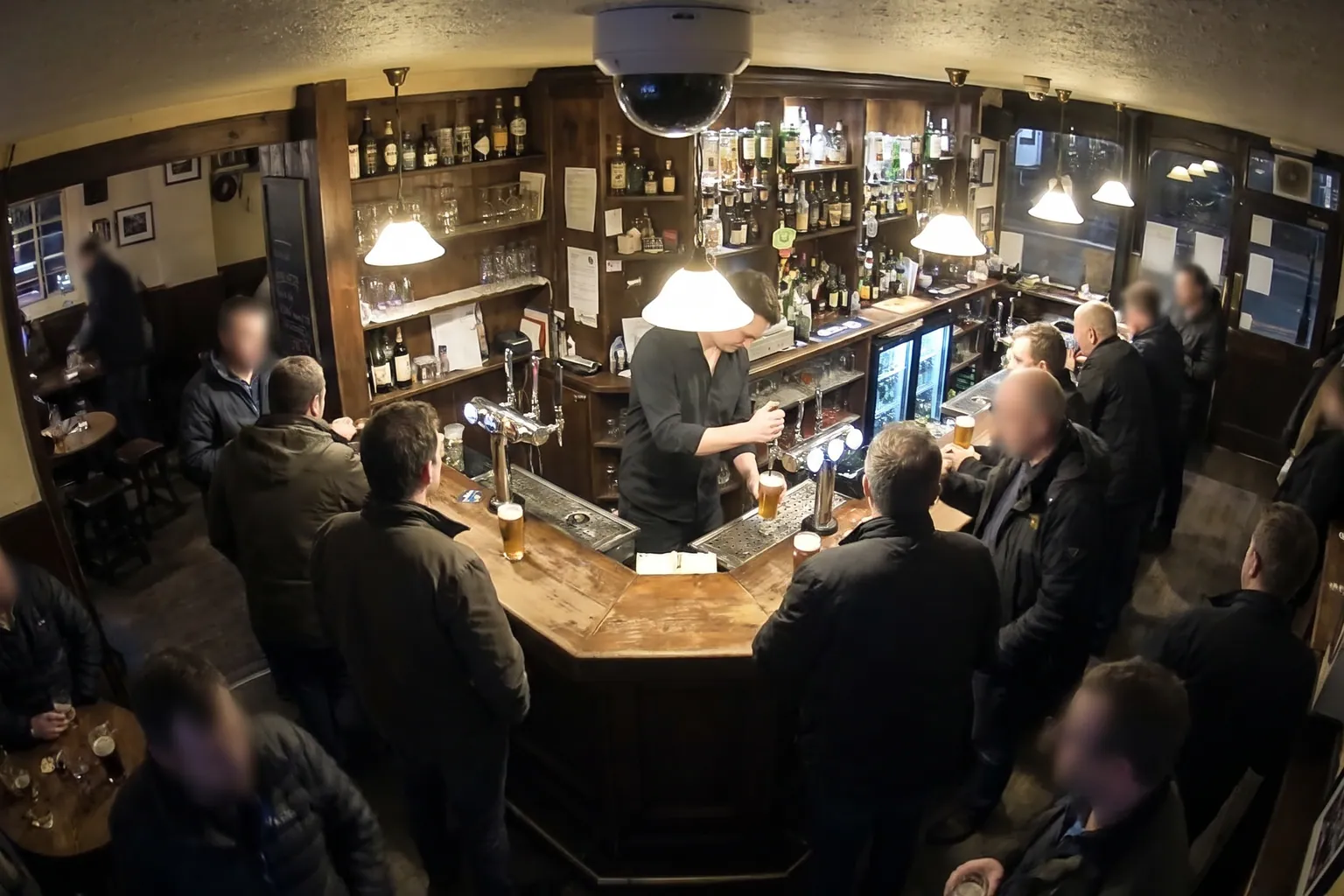
In busy bar environments, it’s easy for a drink to be poured but not registered at the till. Staff may be distracted by a rush of customers, or they might be helping a colleague. Sometimes, regulars are given a complimentary drink as a gesture of goodwill, or staff may forget to ring up a round during a hectic shift. While these situations often stem from honest mistakes or attempts to provide good service, the result is the same: sales that never reach the POS, quietly impacting your bottom line.
Another common scenario is when staff open a tab but forget to add every drink to it, or they pour a drink while a customer is deciding, intending to ring it in later but never do. Over time, these small omissions add up. In some cases, there may be deliberate activity, but most discrepancies are simply the result of human error and the fast pace of bar work.
It’s important to recognise that not every missing sale is a sign of dishonesty. High staff turnover, new team members, or unclear processes can all contribute to these gaps. Building a culture of transparency and regular training helps reduce honest mistakes and sets clear expectations for everyone behind the bar.
Ultimately, understanding why unrecorded pours happen is the first step to addressing them. By identifying the root causes, managers can put practical routines in place to catch honest errors early and support staff in following best practices.
Spotting the Signs: What to Look for in Your POS Reports
Regularly reviewing your POS reports can reveal patterns that suggest unrecorded pours. A common sign is a mismatch between the volume of alcohol used and the sales recorded—if you’re buying more stock than you’re selling, something may be slipping through the cracks. Another indicator is a high number of voids, discounts, or open tabs that don’t match expected levels for your business.
Look for shifts with unusually low sales compared to foot traffic, or where certain products are consistently underperforming despite steady stock usage. Comparing staff performance can also highlight inconsistencies: if one team member’s shift regularly shows lower average sales per hour or higher wastage, it may be worth a closer look.
It’s helpful to keep an eye on the timing of sales, too. A sudden spike in voids or discounts at the end of a shift could indicate drinks being given away or not rung in as staff prepare to close. Similarly, repeated corrections or cancelled items can point to confusion at the till or gaps in training.
Ideally, review these reports at least weekly, and encourage supervisors to flag anything unusual. Combined with open communication, this routine helps catch errors early and provides a starting point for constructive discussions with your team.
Simple Routines to Reduce Honest Errors
Establishing clear routines behind the bar can significantly reduce the likelihood of unrecorded pours. One practical approach is to require staff to ring in every drink before pouring, even during busy periods. While this may take some adjustment, it quickly becomes second nature and ensures every sale is captured.
Daily or shift-based stock counts, especially for high-value spirits and popular draughts, can highlight discrepancies before they grow into bigger problems. Encourage staff to double-check open tabs and close them out properly at the end of each shift, making sure all items are accounted for.
Regular, informal check-ins with your team can reinforce expectations and provide a chance to discuss any challenges. Use these moments to clarify procedures for discounts, voids, or complimentary drinks, and remind staff that honest mistakes are best reported promptly so they can be corrected.
Finally, document your routines and make them accessible to all team members. Simple checklists or laminated guides at the till can serve as helpful reminders during busy times, promoting consistency and reducing reliance on memory alone.
How Technology Can Help: Vigilessa.ai’s Approach
Technology can offer a practical solution for spotting unrecorded pours. Vigilessa.ai turns your existing cameras into AI agents that compare what happens at the bar with what’s recorded at the till. When a drink is poured but not rung up, Vigilessa.ai sends an alert with a short clip and the relevant receipt, helping managers quickly identify and address mismatches.
This approach is GDPR-first: staff are informed, access is limited, and footage is kept only as long as necessary. No new cameras are required, and the software focuses on the transactions themselves, not general surveillance. This helps maintain trust and transparency with your team.
Using AI in this way supports fair management. Most differences flagged by Vigilessa.ai are honest mistakes—perhaps a busy bartender missed a button or entered the wrong item. The system helps you spot patterns and provide targeted training, rather than relying on suspicion or guesswork.
For those interested, you can learn more about how Vigilessa.ai works in bar environments by visiting our bars page or exploring our faq for practical details. Technology like this is not about policing staff, but about supporting your team and safeguarding your business.
Creating a Culture of Accountability and Support
Addressing unrecorded pours is most effective when it’s part of a broader culture of accountability and support. Open communication is key: let staff know that the goal is to catch honest mistakes and improve processes, not to assign blame. Encourage them to report errors as soon as they happen, and respond constructively when they do.
Regular training sessions—both formal and informal—help reinforce best practices and keep everyone up to date on procedures for handling discounts, voids, and complimentary drinks. Recognise staff who consistently follow routines, and use positive reinforcement to build good habits.
Make sure your policies are clear and accessible. Staff should understand what’s expected when handling tabs, dealing with busy periods, or offering a complimentary drink. Written guidelines and visual reminders can help reduce confusion, especially for new team members.
Finally, involve your team in reviewing POS data and identifying areas for improvement. When staff see that the focus is on working together to reduce mistakes, they’re more likely to engage with new routines and support your efforts to protect the business.
Start with a Review of Your Own Recordings
If you suspect unrecorded pours are affecting your bar’s bottom line, the best place to start is with your own data. Review recent POS reports, stock usage, and camera footage from busy periods to look for patterns or mismatches.
Consider using Vigilessa.ai to analyse your existing recordings. The software can highlight specific instances where the till and the bar don’t match, giving you a clear, actionable starting point for addressing the issue.
Remember, most discrepancies are honest mistakes. Approach your team with transparency and a focus on improvement, not punishment. Use findings as a basis for updating routines and training, and encourage staff to be part of the solution.
To see how this works in practice, you can request a demo using your own recordings. This step can help you understand where gaps may exist and how to address them effectively.
FAQ
Are unrecorded pours always intentional theft?
No. Most unrecorded pours are honest mistakes due to busy shifts or unclear routines, not deliberate actions.
Can Vigilessa.ai be used without installing new cameras?
Yes, Vigilessa.ai works with the cameras you already have, turning them into AI agents to compare till activity and sales.
How does Vigilessa.ai handle staff privacy?
Vigilessa.ai is GDPR-first: staff are informed, access to footage is limited, and recordings are kept only as long as needed.
What should I check in my POS reports?
Look for mismatches between stock and sales, high voids or discounts, and unusual patterns in shift data.
See also: Fast Food · Retail & Supermarkets · Loss Calculator
Want to know your business’s real loss figure?
Request a demo